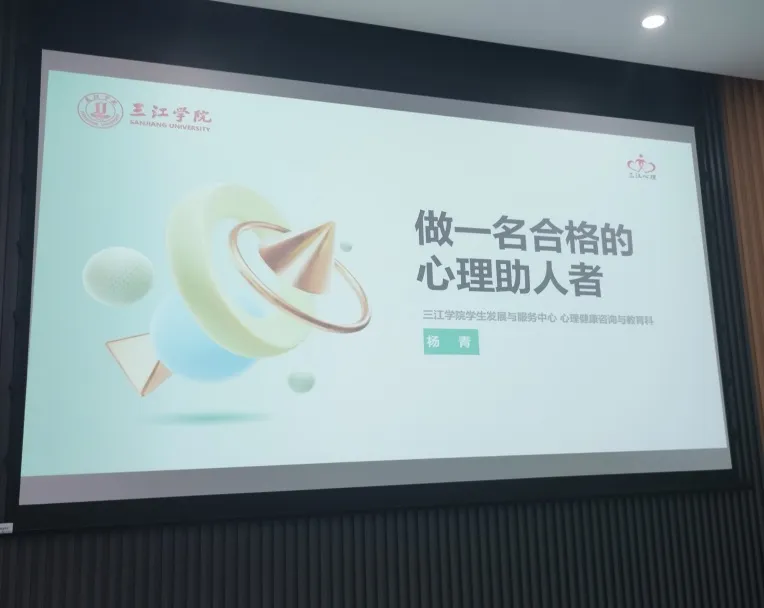
To further enhance theprofessional competence and working capabilities of our psychologicalcommittee members and better safeguard students' mental health, onthe afternoon of March 11, the School, in collaboration with theSchool of Foreign Languages, jointly held a training session at theOne-stop Student Community. Ms. Yang Qing from the University'sMental Health Counseling and Education Department was invited as thekeynote speaker.
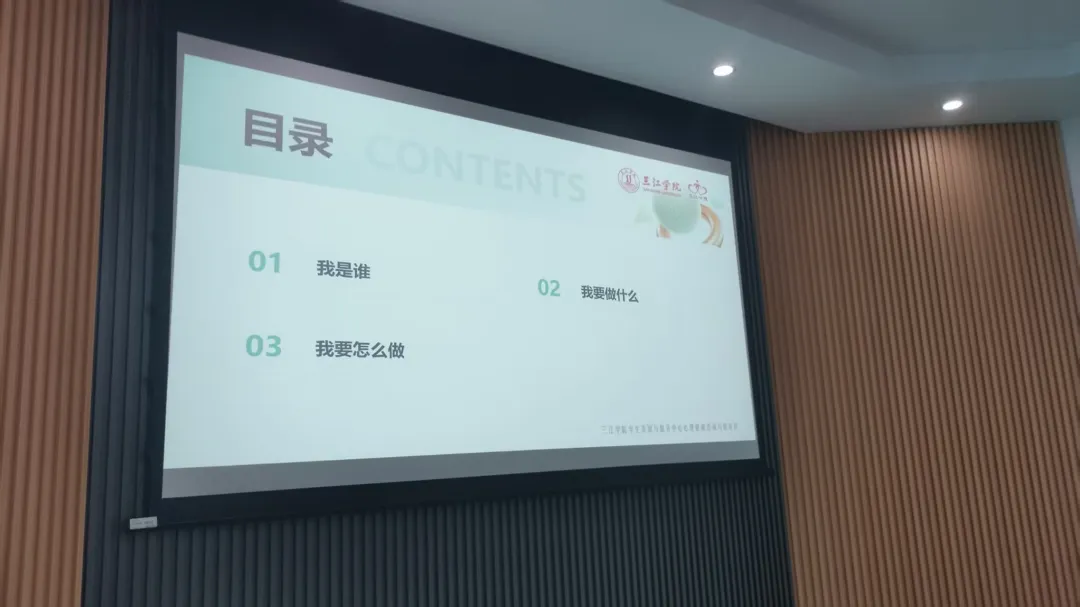
I. Role Perception: Being a'Glimmer of Psychological Support' on Campus
At the beginning of the training,Ms. Yang led the participants in re-evaluating the system of classpsychological committee members. Established in 2004, this systemrepresents a unification of students' needs for both self-help andaltruism, serving as a vital extension of the University's mentalhealth education initiatives.
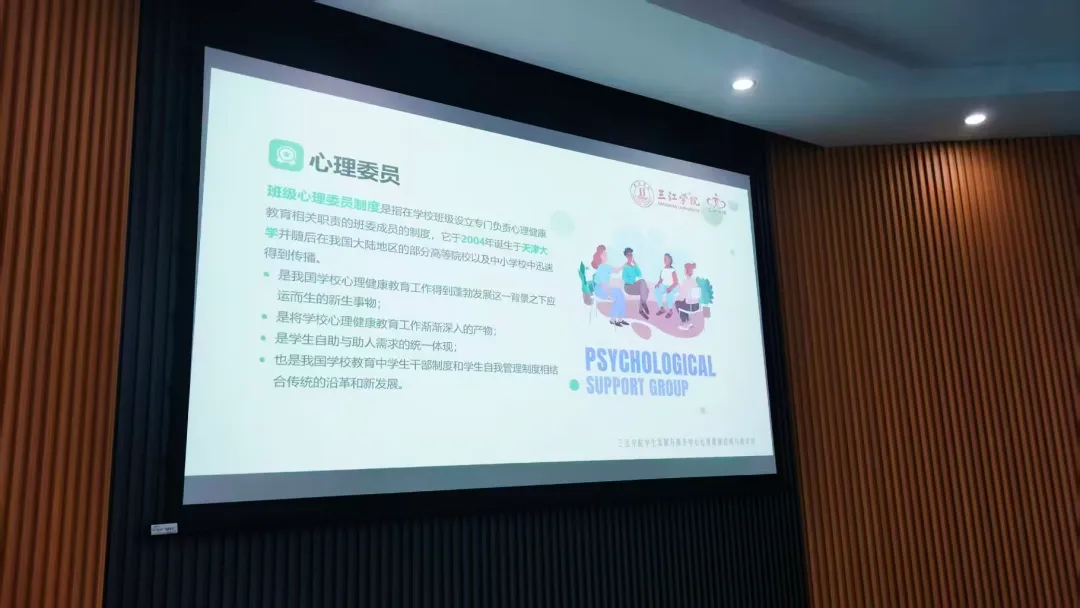
As peers who share daily liveswith their classmates, psychological committee members possess anatural advantage in empathy. They understand each other's confusionmore deeply and find it easier to establish trust, serving as the keylink between students and the university's psychological supportsystem.
II. Clarity of Duties: Whatshould we do?
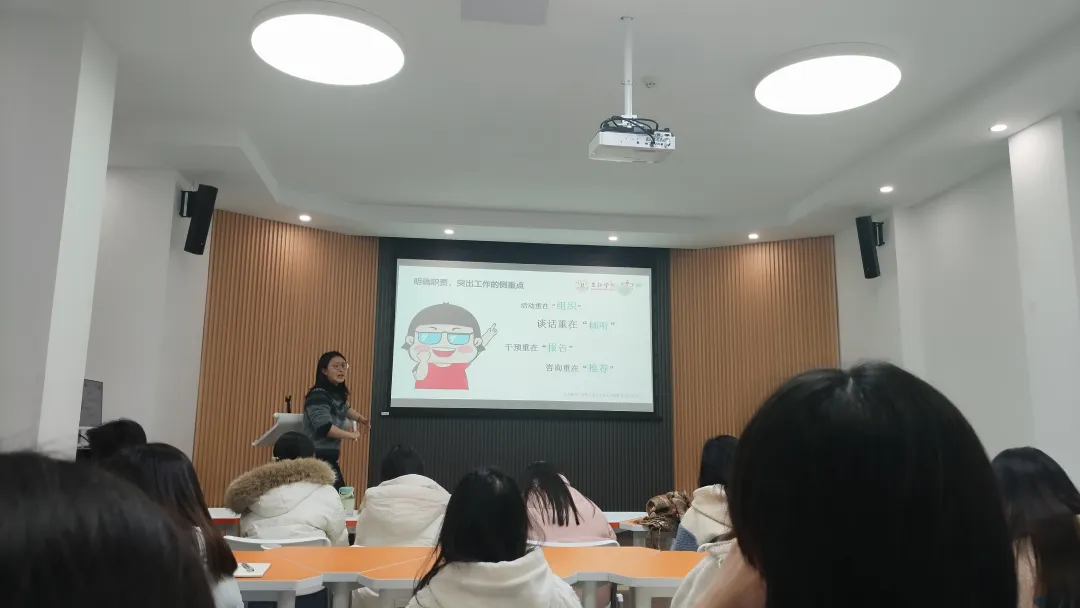
The training clearly defined thefour core tasks of psychological committee members:
Activity Organization: Planningand organizing themed class psychological activities to foster a warmand inclusive atmosphere.
Listening in Conversations:Providing companionship with patience and empathy, acting as areliable listener without being judgmental or preachy.
Reporting in Intervention:Providing timely feedback to the School's psychological center orcounselors upon discovering abnormal psychological signals inclassmates.
Recommendation in Counseling:Guiding students in need to professional psychological resources,without unauthorized diagnosis or treatment.
III. Practical Guidelines: Howshould we do it?
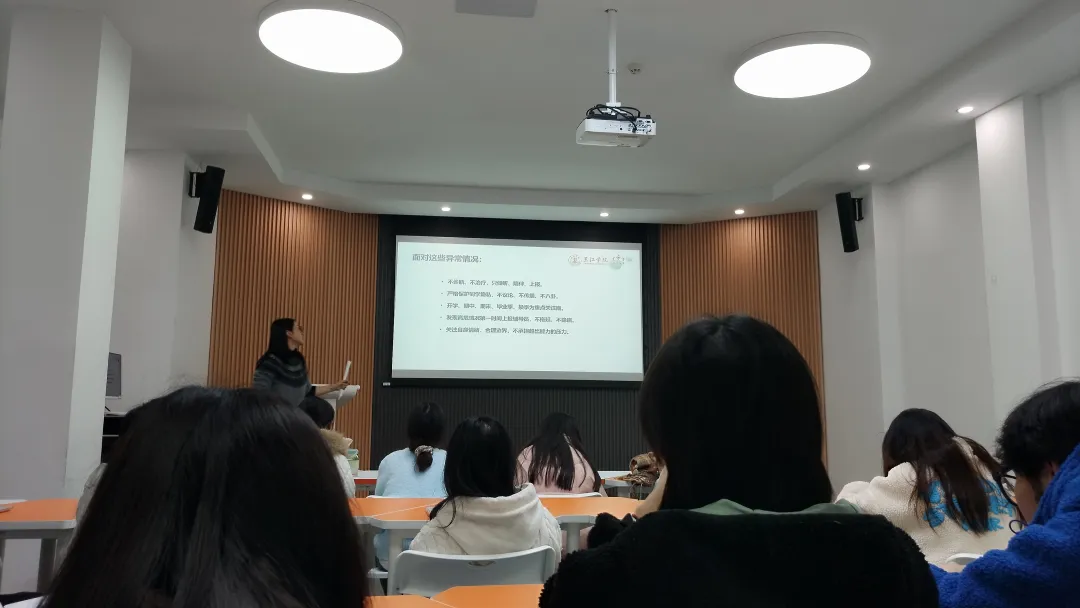
1. Precise Attention: Identifyingkey groups and critical periods.
2. Focus Groups: Providing morecare and companionship to students who are socially withdrawn or facecomplex family situations, financial difficulties, or academicchallenges.
3. Critical Time Nodes: Payingextra attention during peak periods of psychological fluctuations,such as orientation, exam weeks, graduation season, and around winterand summer breaks.
4. Path of Action: Fromorganization to companionship.
The training outlined a clearworking path: from organizing and participating in university andschool-level psychological activities, to conducting classheart-to-heart talks and skill exercises, and ultimately practicingpersonal self-care. Clear guidance was provided for every step.
IV. Conclusion: Gatheringglimmers to light up one another
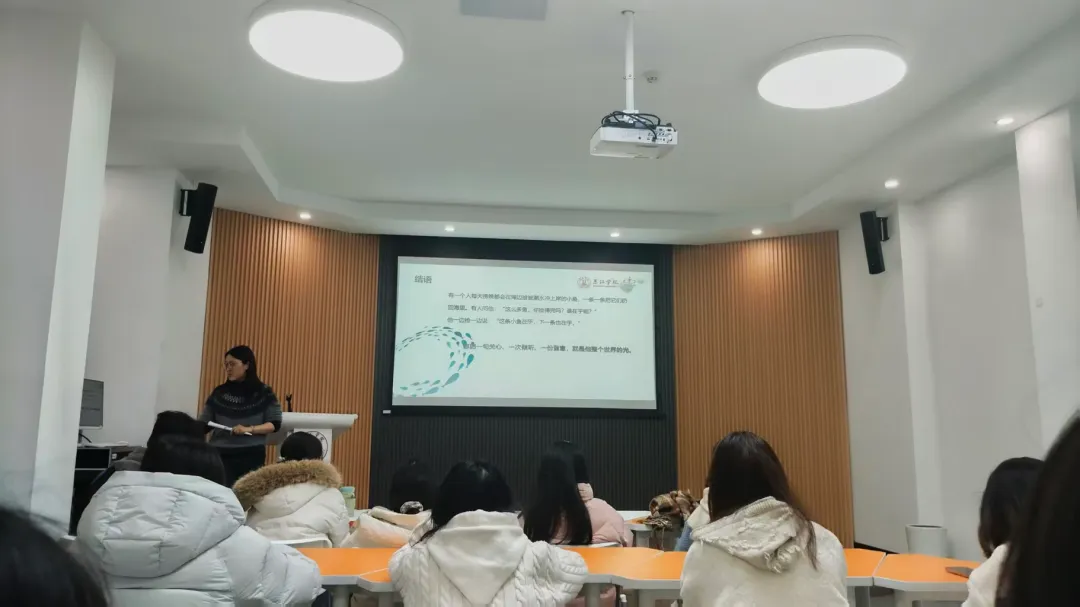
The training concluded with thestory of 'picking up fish by the sea' to inspire thepsychological committee members that each word of care, each act oflistening, or each simple attentiveness can be the light in someoneelse's world.
While psychological committeemembers may not be able to solve every psychological challenge, theycan act as a warm glimmer of light, appearing when needed tosafeguard the mental growth of students through companionship andprofessionalism.
Moving forward, the PsychologyWorkstation of the School of Civil Engineering will continue todeepen its psychological services, ensuring that care takes root andprovides a steady safeguard for the college life of all students.
Copywriting: Wang Zihan
Layout: Wu Jiaye
First Review: Rao Yu
Second Review: Wang Xibin