To help students of the School ofCivil Engineering overcome imbalances in energy distribution andalleviate the mental exhaustion of being caught betweenhyper-competition and idleness, the School's Psychology Workstationand Learning Support Center successfully held the 'Energy RatioLab' psychological theme activity at the One-stop StudentCommunity on March 20, 2025. By integrating professional thinkingwith self-management and using the core logic of concrete mix designas an entry point, the activity provided students with an energymanagement experience that was professional, engaging, and practical,aiming to guide students in finding their personal energy rhythms,enabling them to face both their studies and lives with greaterefficiency and composure.
01 Event Highlights
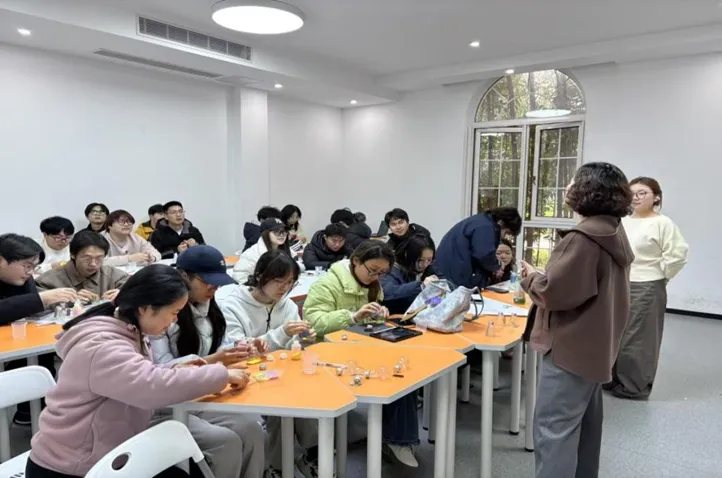
In the lead-up to the event,volunteers collaborated closely with the Mental Health Workstation tocomplete all preparatory tasks. Activity previews were shared onlinethrough the School's official WeChat account and class groups, whilethemed posters were displayed offline in dormitory areas toeffectively stimulate student interest and encourage activeregistration. Simultaneously, volunteer recruitment and specializedtraining were completed, with three volunteers assigned to managesite setup, material distribution, and order maintenance. Distinctiveprofessional-themed materials, including safety helmets, four-coloredsand, transparent glass bottles, and plastic measuring cups, weremeticulously prepared, and disposable tablecloths were laid out inadvance to balance engagement with site cleanliness, ensuring thesmooth execution of the event.
02 Activity Site: Unlockingthe Secrets of Energy Management through Fun Interaction
The atmosphere at the event wasrelaxed and harmonious, with students participating activelythroughout the session and embarking on a self-exploration of energymanagement through engaging interaction and deep reflection.
Icebreaker: Civil EngineeringVersion of 'Passing the Parcel' to Liven Up the Atmosphere
The warm-up session began with a'passing the parcel' game featuring a distinctive civilengineering twist. Using a safety helmet as the object to pass andconstruction site background noise as accompaniment, the gameinstantly brought students closer together. When the music stopped,the 'lucky one' holding the safety helmet would choosebetween a professional challenge or an interactive Q&A. Tasksincluded quickly reciting concrete-related terminology or engaging ina 'Truth or Dare' interaction with peers. Those whocompleted the task successfully received a small gift, while thosewho failed took over as the session's music controller. This easilybroke the ice and quickly heightened the festive atmosphere.
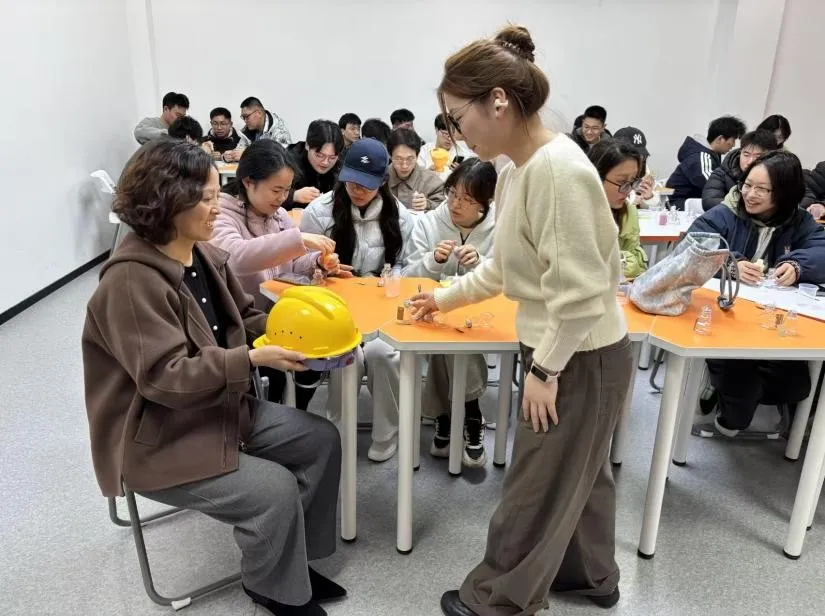
Core Segment: Simulating ConcreteMix Design to Customize Energy Scheme
In the core segment, studentsworked in groups of 4 to 5 to simulate concrete mix designexperiments using colored sand. They categorized their daily energyinto four types, blue for academics, yellow for rest, green forsocial life, and red for hobbies, and filled transparent glassbottles according to their actual routines. The fixed total capacityof the bottle represented the limited energy available in a singleday. Group members exchanged ideas and engaged in friendlydiscussions to optimize schemes for issues such as insufficient restor academic imbalance. By aligning their energy distribution withtheir course designs and study rhythms, students analyzed theproportion logic for each category and hand-crafted personalized'Energy Proportion Bottles', gaining a visual understandingof the shortcomings in their current energy allocation.
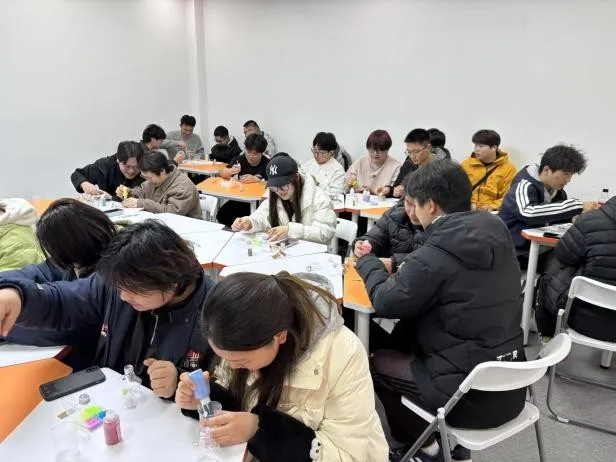
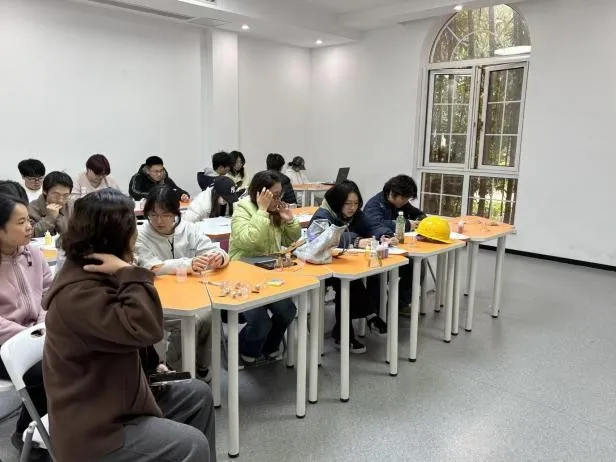
Sharing and Exchange: Tea Partyfor Discussing Challenges and Collaborative Optimization
During the 'Mix OptimizationTea Party', group representatives took turns presenting theirenergy bottles and sharing real-life struggles, such as anxiety andburnout caused by energy imbalances. Other students offered practicaladvice on rest adjustments and energy redistribution based on theirown experiences. The exchange was sincere and heartwarming, allowingstudents to inspire and encourage one another while clarifyingstrategies for scientific energy allocation.
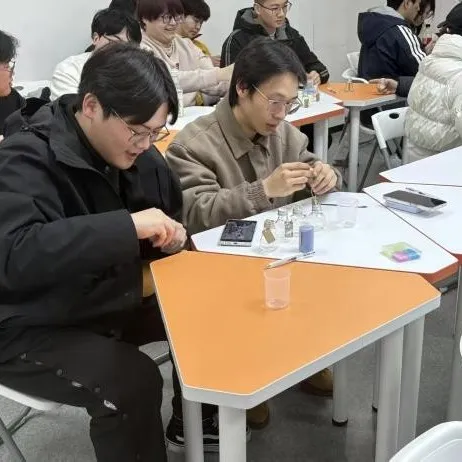
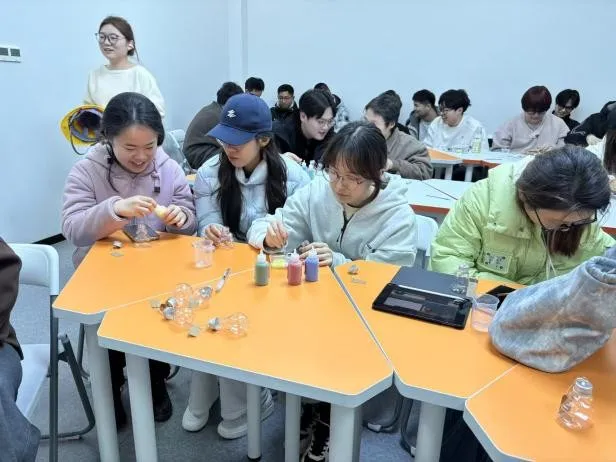
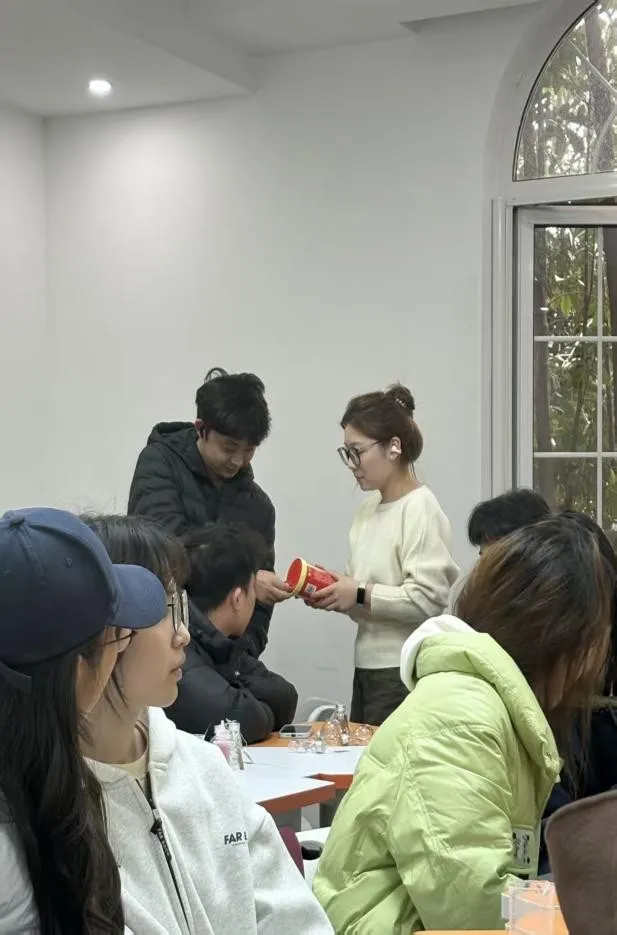
To conclude the activity, thehost drew a parallel to professional knowledge - how the concrete mixdesign determines building strength - to emphasize the importance ofscientific energy proportions. Students were encouraged todynamically adjust their energy allocation based on academic tasks atdifferent stages. Finally, the students held their personalized'Energy Proportion Bottles' for a group photo, capturingthe healing and fulfilling moments of the event.
03 Event Outcomes: EmpoweringGrowth with Professionalism and Warming Hearts with Care
The activity accurately addressedthe energy management needs of contemporary university students andachieved excellent results by deeply integrating civil engineeringknowledge with mental health education. More than 80% of participantshave identified their own energy allocation issues through theactivity, moving away from aimless mental exhaustion. By masteringscientific energy management methods, they have effectivelyalleviated academic pressure and anxiety.
Students expressed that theactivity broke down stereotypes regarding their professionalknowledge, making them truly realize that civil engineering thinkingcan solve practical life problems. This significantly enhanced theirsense of professional identity and enthusiasm for learning.Furthermore, the format of group exchange and mutual support furtherstrengthened trust and cohesion among peers, fostering a supportive,friendly, and positive atmosphere within the School.
04 Reflections and Summary
The 'Energy Ratio Lab'activity represents a valuable attempt by the School of CivilEngineering to combine professional education with mental healtheducation. It has not only addressed students' practical struggleswith energy exhaustion, but also made professional knowledge morerelatable and meaningful. Moving forward, the School of CivilEngineering will continue to focus on the physical and mentaldevelopment needs of its students, launching more themed activitiesthat combine professional distinctiveness with humanistic care.