Within the vast expanse of digital construction and creative thinking,
On the stage of the International BIM Graduation Project Competition,
A group of persistent civil engineering students,
Grounded in technology and bridging efforts through collaboration,
Have broken through the fierce rivalry of over 700 universities nationwide,
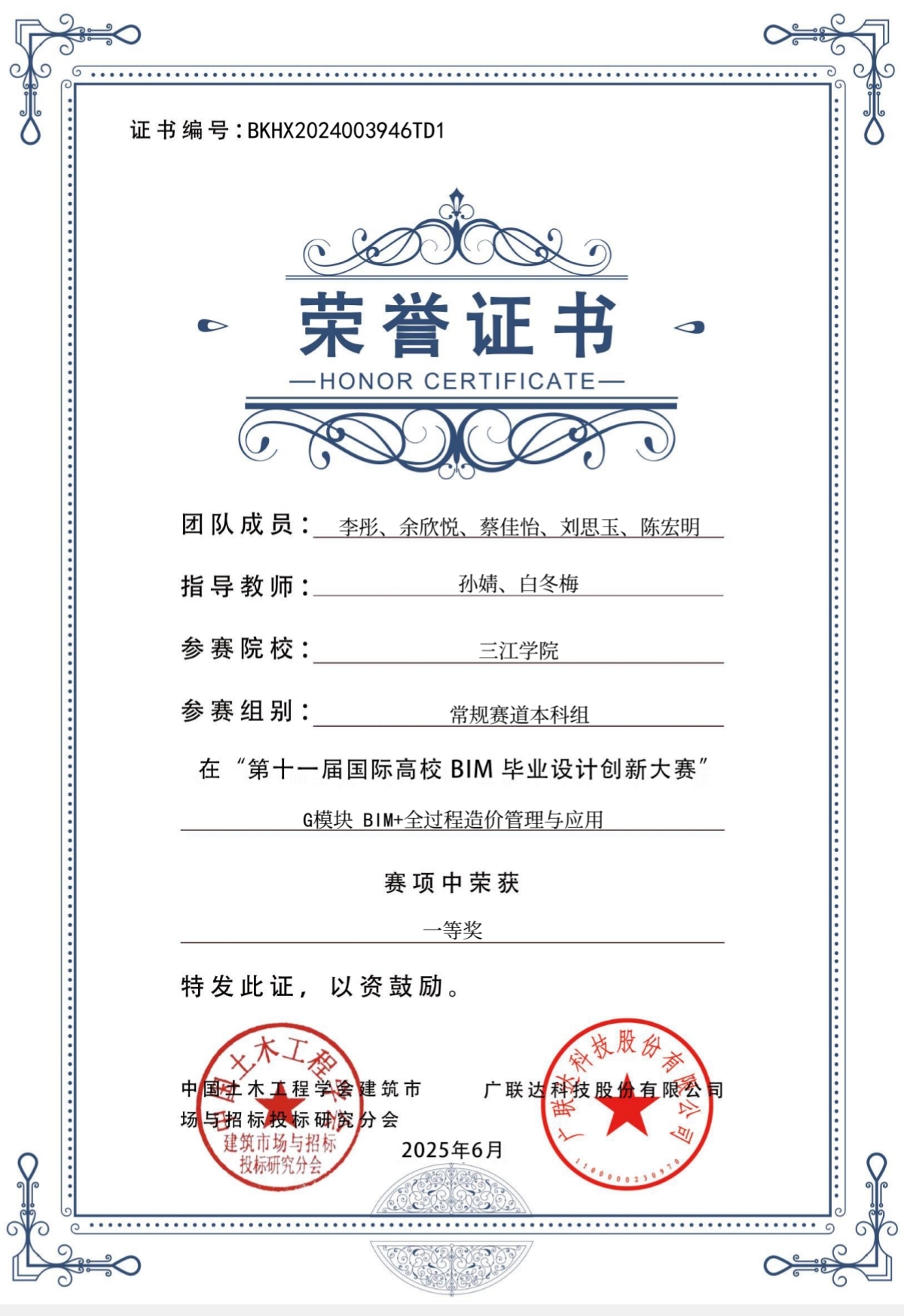
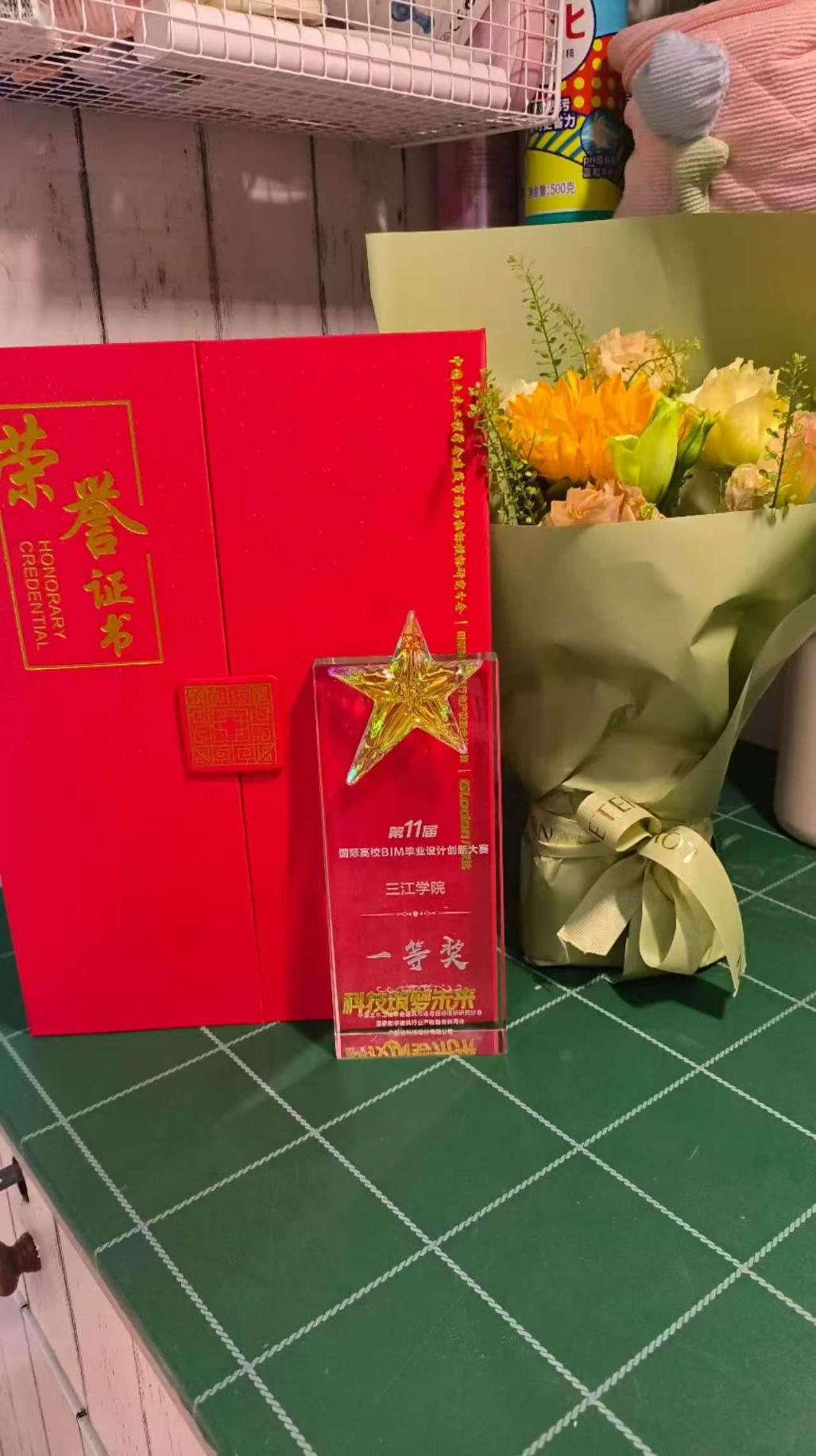
And successfully secured the prestigious National First Prize!
Riding the waves through an ocean of modeling software
And cutting through the thorns of digital mazes in construction estimation,
They have transformed classroom theory into practical mastery
Through countless nights of intensive study and collaboration.
Today, join Xiao Jiang as we step into this story of
Cross-disciplinary synergy and the unity of mentors and students.
CompetitionOverview
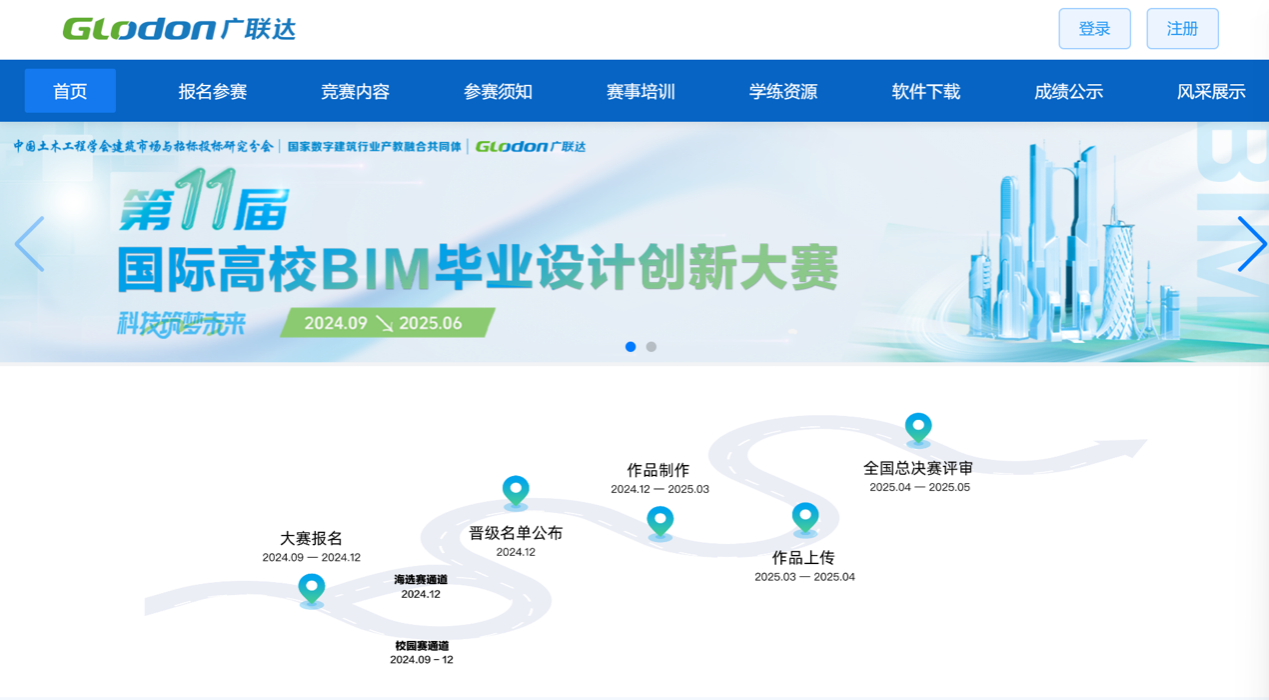
TheInternational BIM Graduation Project Competition is a high-levelnational disciplinary event co-sponsored by the China CivilEngineering Society and the Steering Committee for Civil EngineeringMajors of the Ministry of Education, with the assistance of GlodonCompany Limited and other enterprises. As one of the domesticconstruction-related competitions with the broadest disciplinarycoverage and the largest scale, it has been included in the 'NationalUniversity Student Competition Rankings' by the Ministry ofEducation for several consecutive years. This edition attracted over14,000 teams from more than 700 domestic institutions and over 10international universities, involving more than 80,000 facultymembers and students, with a total of over 4,400 entries submitted.
Sincethe Competition's launch, the School of Civil Engineering hasattached great importance to it, consistently upholding thephilosophy of 'promoting learning and teaching throughcompetition, and integrating competition with instruction'.Leveraging the School's disciplinary strengths, we have built acurriculum system covering BIM technology, intelligent construction,and project management, and also actively established platforms forschool-enterprise cooperation, introducing real-world industryproject cases to enhance students' practical and innovativecapabilities. The Department of Construction Management and theDepartment of Civil Engineering collaborated closely, invitingcorporate mentors to form a professional faculty guidance team.Ultimately, through the concerted efforts of both mentors andstudents, scholars fromthe School of Civil Engineering stood out in the fierce competition,securing a total of five awards, including one national first prize,two national second prizes, and two national third prizes.
BuildingRapport, Renewing the Bond
'Ourteam was essentially assembled from the group that participated inthe previous competition with Professor Sun; since we’re oldcomrades-in-arms, the chemistry was seamless!', Team leader LiTong said with a smile. This five-student team was not collaboratingfor the first time; they had already joined forces to win aprovincial third prize in the previous provincial-level Innovationand Entrepreneurship Competition. This deep-rooted 'comradeshipon the battlefield' served as the most solid foundation forassembling this team.
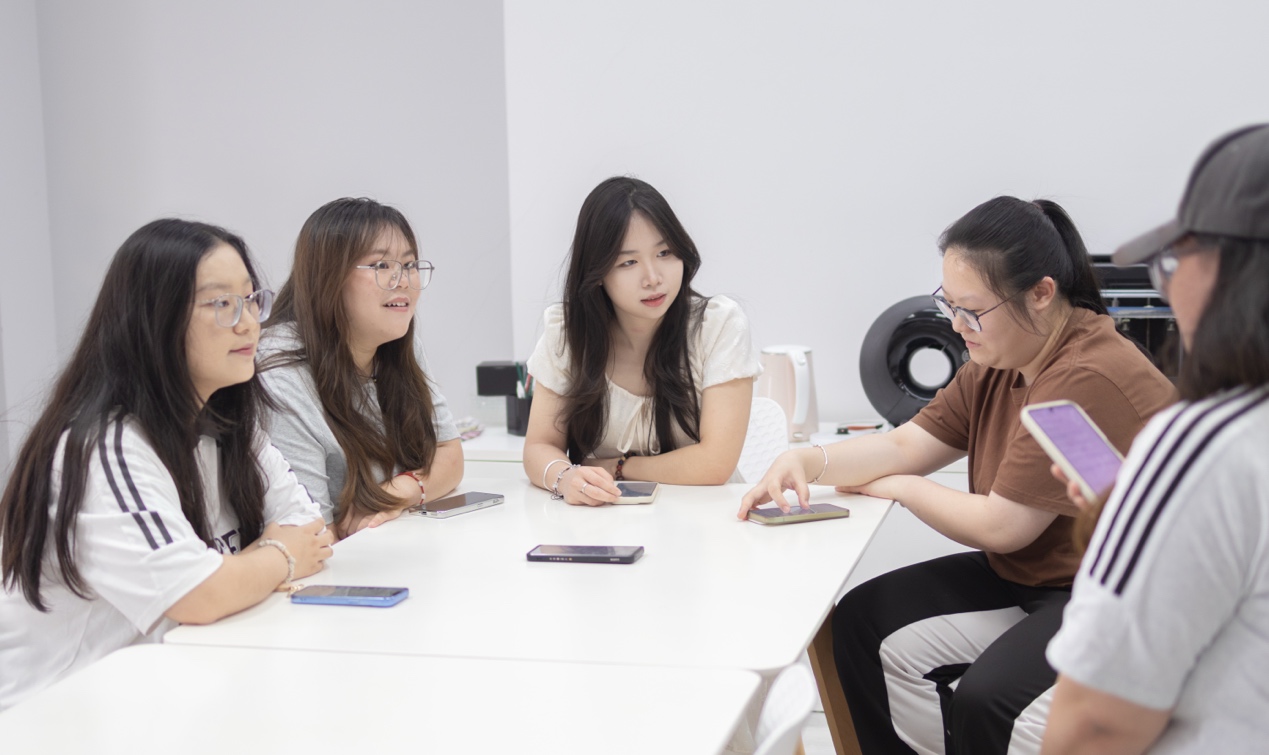
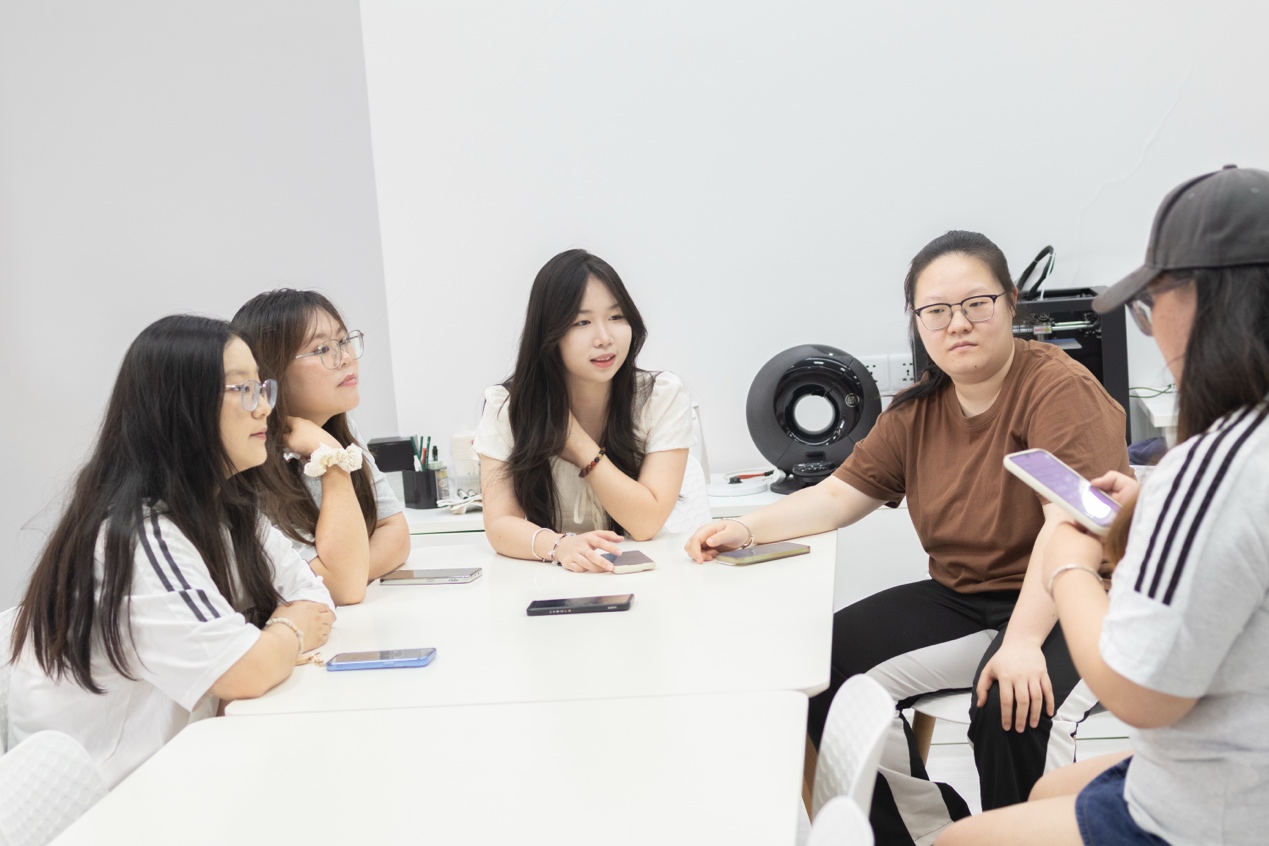
TeamMembers Receiving the Interview (From left to right: Cai Jiayi, LiuSiyu, Li Tong, Yu Xinyue)
Whenfaced with the question of whether cross-disciplinary team formationcauses trouble, team member Liu Siyu explained: 'EngineeringCost and Construction Management are more like 'comrade-in-armsmajors' to us'. Although each has its own focus - EngineeringCost excels in the technical details of modeling and pricing, whileConstruction Management is adept at process management and overallcoordination - theshared core curriculum allowed them to integrate seamlessly onprimary tasks. 'We have all studied modeling and pricing, so wecan discuss them with each other; when we encounter difficultiesspecific to our respective fields, the students from that major takethe lead in tackling the problem. Withclear division of labor, our strengths are complementary.'

Reflectingon the early stages of team formation, the members admitted that theyexperienced a 'silent period'. 'At first, everyone wasquite reserved, and we were cautious when discussing tasks',recalled team member Liu Siyu. 'Later, as we stayed up laterevising models together and scratching our heads over the software,we gradually became familiar with each other.' Now, even if theyjust run into each other on the street, they chat and laugh. Thisgrowth from being strangers to developing a tacit understanding isconsidered by them to be a more precious harvest than the awarditself.
Theteam maintained a clear division of labor: students majoring inEngineering Cost focused on technical aspects, while those inConstruction Management were responsible for process streamlining andoverall coordination. This 'technology + management'combination demonstrated a significant advantage during the laterstages of preparation. 'Once, there was a conflict in the floorsettings between the civil construction model and the installationmodel,' Team leader Li Tong recalled. 'TheEngineering Cost students focused on resolving the technicalparameters, while the Construction Management students simultaneouslyorganized the issue list. As a result, we solved a problem weoriginally thought would require an all-nighter in just three hours.This was the key to our efficiency.'
Preparingin Advance, Honing the Edge
'Actually,it was our teacher who first mentioned the competition, and afterreading the brief, we were hooked,' admitted team leader LiTong. The initial motivation was simple: to get a head start on thegraduation project and 'warm up' for the core academictasks of senior year. This competition, themed around 'graduationdesign', alignedperfectly with their coursework, offering a chance to transformclassroom theory into practical capability while gaining earlyexposure to the essential skills required for their future careers.
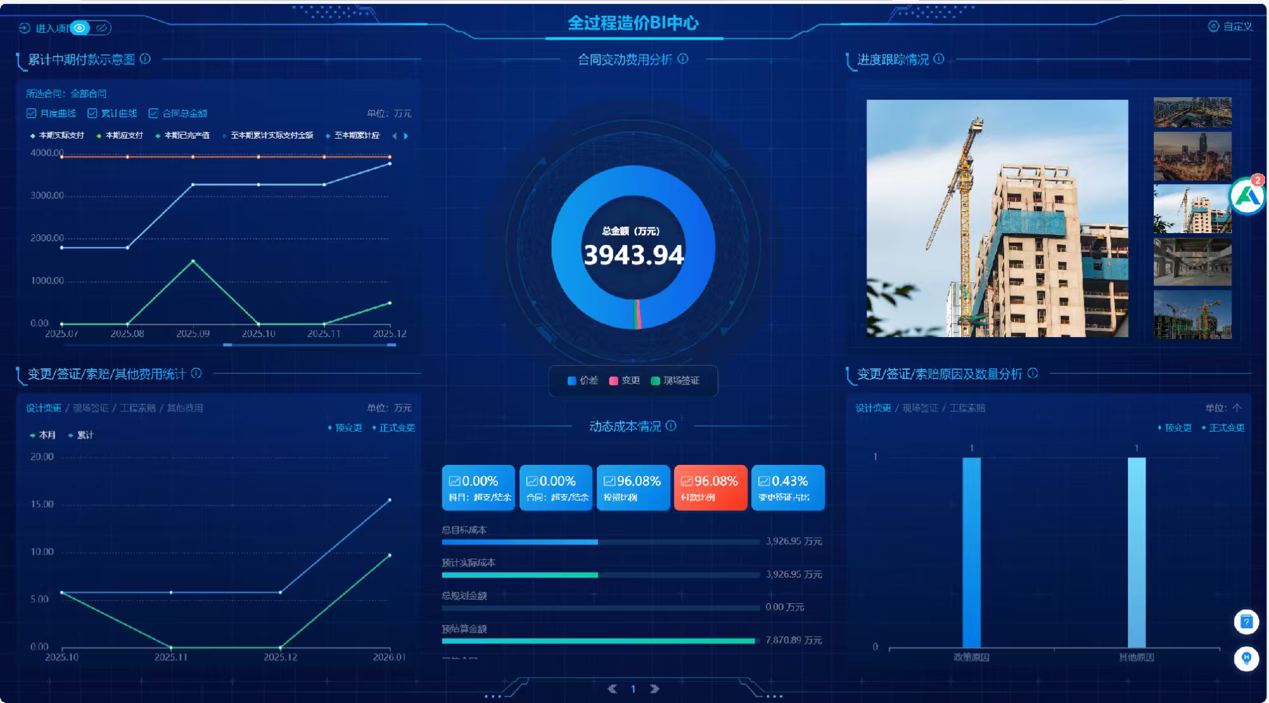
Comparedwith the previous competition, this year's challenge was asignificant 'level-up'.'The software we used this time was completely different fromlast time; it was like starting from scratch,' the memberslaughed. Yet, this 'novelty' only fueled their fightingspirit. From modeling software like GTJ2025 and GQI2021 to theGCCP6.0 estimation tool, mastering each new software felt likeopening the door to a new world.
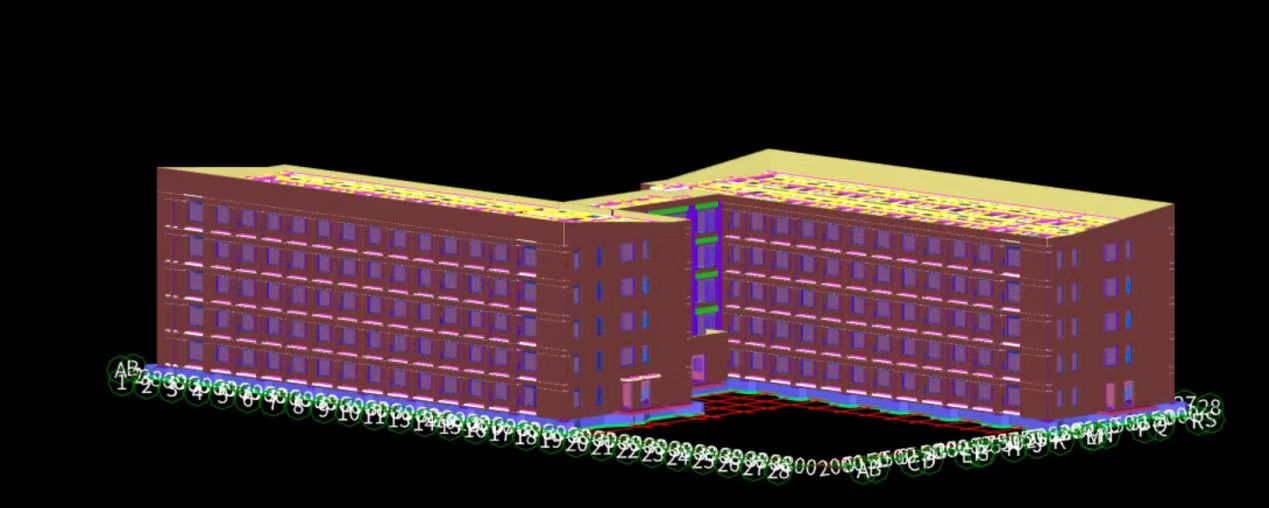
'The competition required usto use the 2022 Series G101 (Planar Overall Representation Method)Rules, and we had to unify the floor grid systems for both civil andinstallation models. Generating cross-sectional views from the modelalone required constant debugging.' Speaking of technicaldetails, the members were eager to share. They not only had to ensurethe precision of the quantity take-off but also visually demonstratethe spatial connectivity between civil and installation componentsthrough the model. This 'visualization' requirement gavethem a much deeper understanding of Building Information Modeling(BIM).
ChartingNew Frontiers, Overcoming Odds
Duringthe modeling phase, software version compatibility became the firstmajor hurdle. 'The New Consulting Productivity Platform is thelatest version, and there are very few tutorials available online, sowe had to test every function by trial and error while watching thevideos,' Cai Jiayi recalled. In order to master 'unifyingthe floor grid system', they spent an entire day immersed in thelibrary, comparing over 10 different regulatory documents.Eventually, they discovered a method of 'building the standardfloor first, then adjusting by zone', which resulted in a 40%leap in efficiency.

The challenge in the estimationphase was equally significant. From mastering the VAT-inclusive modelto precisely setting contingency sums and estimated prices inaccordance with the latest regional quotas, and further adjustingbidding strategies via index networks, the team successfullytransitioned from 'quota-dependent' to 'market-oriented'pricing, precisely the core requirement of the industry's future.'Previously, when performing quantity take-offs, our only goalwas to 'avoid calculation errors'. Now, we consider 'whether theclient would find this bid more reasonable'. This shift in mindset iscrucial,' Yu Xinyue remarked.
Perseveringthrough Nights, Advancing Steadily
Thepreparation process was far from smooth sailing. Halfway through theinstallation model, they discovered a mismatch in version numbers andhad to scrap their work and start over. When drafting the progressschedule, their entire approach turned out to be wrong, forcing themto pull all-nighters for revisions just three days before thesubmission deadline. Operating the New Consulting ProductivityPlatform proved even more daunting, with only outdated videotutorials to go by, they initially felt completely lost...

'Thatevening, we suddenly discovered that the GQI2021 version wasincompatible, and the three-story model we had built was all invain'. The entire team remembers the silence of that moment. Theinstallation model involved mechanical, electrical, and plumbing(MEP) systems, and the pipeline clash detection alone had taken twodays. Starting over meant compressing an already tight schedule.During this crisis, Chen Hongming, a senior who had competed theprevious year, stepped in to help with the MEP section;his expertise acted as a safeguard for the team and made their pathto preparation much smoother.
'Wedefinitely had a good cry, but no one said, 'Let's just quit'',Li Tong said. They immediately divided the tasks: two members resumedmodeling, two organized the data parameters, and one contactedseniors to ask for shortcut keys. For those three days, the lights attheir desks stayed on until 3:00 a.m., and they finally completed theentire competition project eight hours before the deadline.
Thedynamic cost management module of the New Consulting ProductivityPlatform proved to be an even greater challenge. 'The platformis split into Web and Desktop versions, requiring datasynchronization, and the button locations from the old tutorials hadall changed.' With only five days left before the submission,they couldn't even find the entry point to 'create a newproject'. In their moment of despair, they thought of theirprofessor, Yang Jun. During a 10-minute break between classes, Ms.Yang clearly demonstrated the data linkage logic - 'Itwas like having our meridians unblocked!'That night, they gathered their strength and completed the entiredynamic cost setup. When they sent a message at 2:00 a.m. to sharethe good news, they were surprised to receive a reply within fiveminutes: 'Get some rest, and double-check everything againtomorrow.'
'Werevised the progress schedule more than 20 times, and the teacherreviewed every single version carefully.'Team member Cai Jiayi scrolled through the chat history; the latestmessage was timestamped at 1:12 a.m., with faculty advisor Sun Jingannotating the issues sentence by sentence. One morning, Yu Xinyuewoke up to find feedback sent by Ms. Bai Dongmei at 4:00 a.m.,accompanied by screenshots with quota application errors circled inred. 'At that moment, we felt we had no reason not to give itour all.' That day, they refined seven versions of the scheduleand finally passed the review by noon.
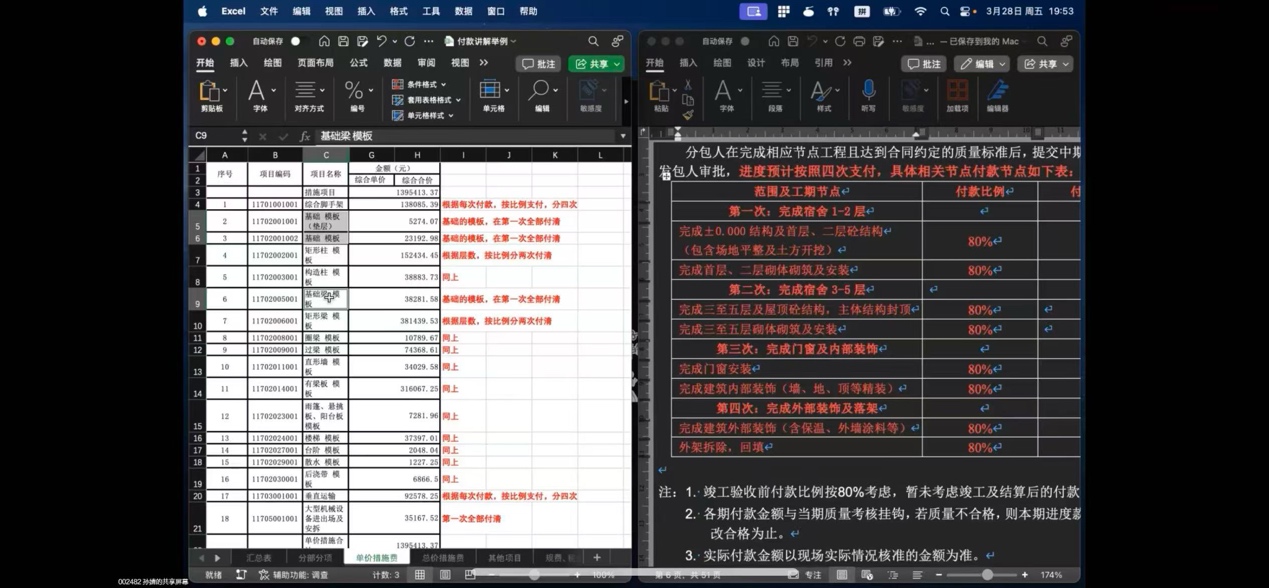
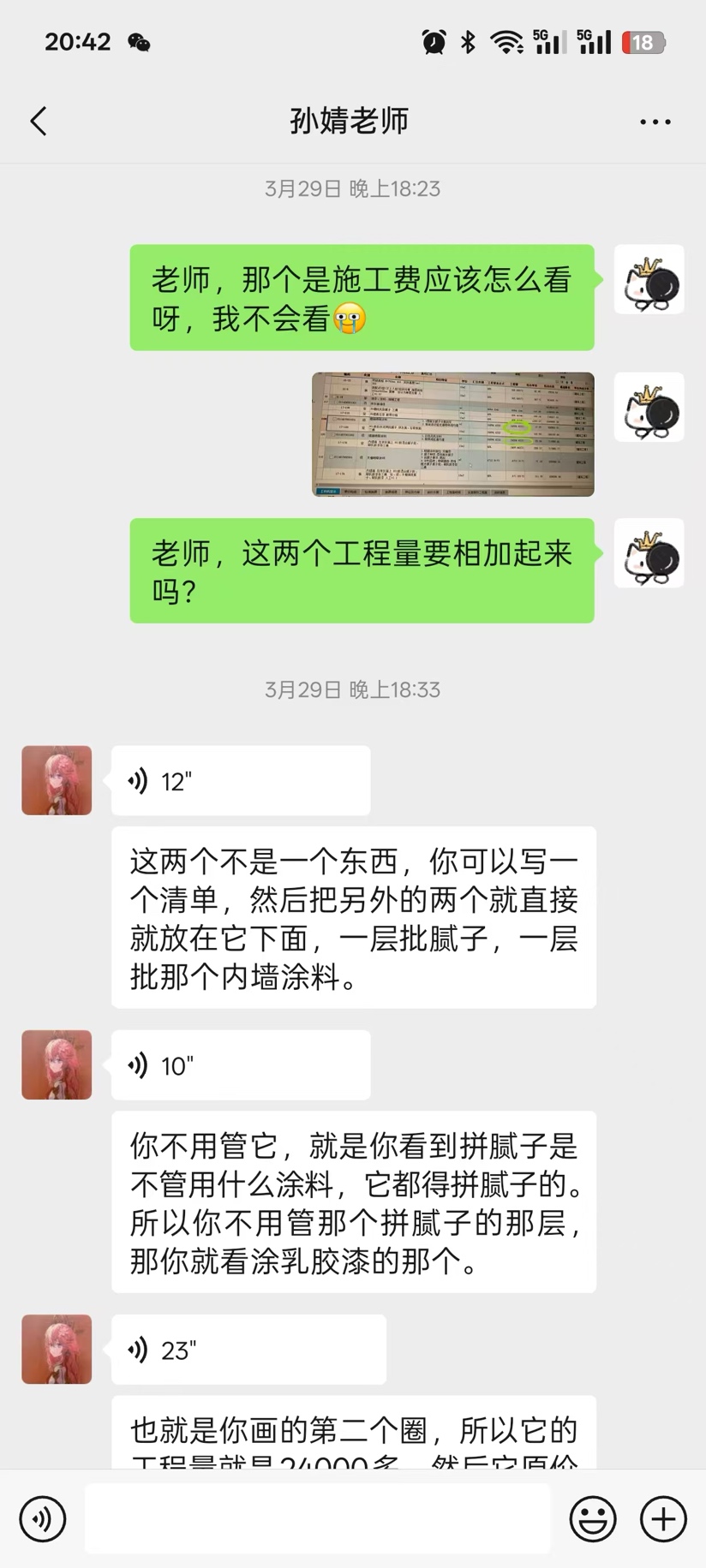
'To be honest, we neverexpected to win a national first prize,' Liu Yuxin admitted,explaining that they had entered the competition with the mindset of'learning through practice'. Competing against universitiesacross the country, their only goal was to do their absolute best.When the results were announced, everyone was so excited they werespeechless, and it was the highest validation of their months of hardwork!
RefiningTechnical Skills, Elevating Expertise
Theleap in professional skills was the team's greatest harvest. Frombeing unable to even navigate the software interfaces to skillfullyusing GTJ and GCCP to complete the entire modeling and estimationprocess, the team's technical growth was clearly visible. 'I nowhave a much deeper understanding of the GTJ operational workflow;what used to take me two hours to calculate for a single room nowtakes only ten minutes, and I can simultaneously generate a 3Dmodel,' Yu Xinyue said with a smile.
Simultaneously,the transformation in their mindset was even more significant. 'Weused to think that building information modeling was just DigitalVersions of Blueprints, but now we realize the core is DataEmpowerment', Li Tong explained. The cross-sectional viewsgenerated by the model not only show the structure but also extractdata on material consumption and construction schedules. This conceptof 'one model, multiple uses' has given them a brand-newperspective on the industry.
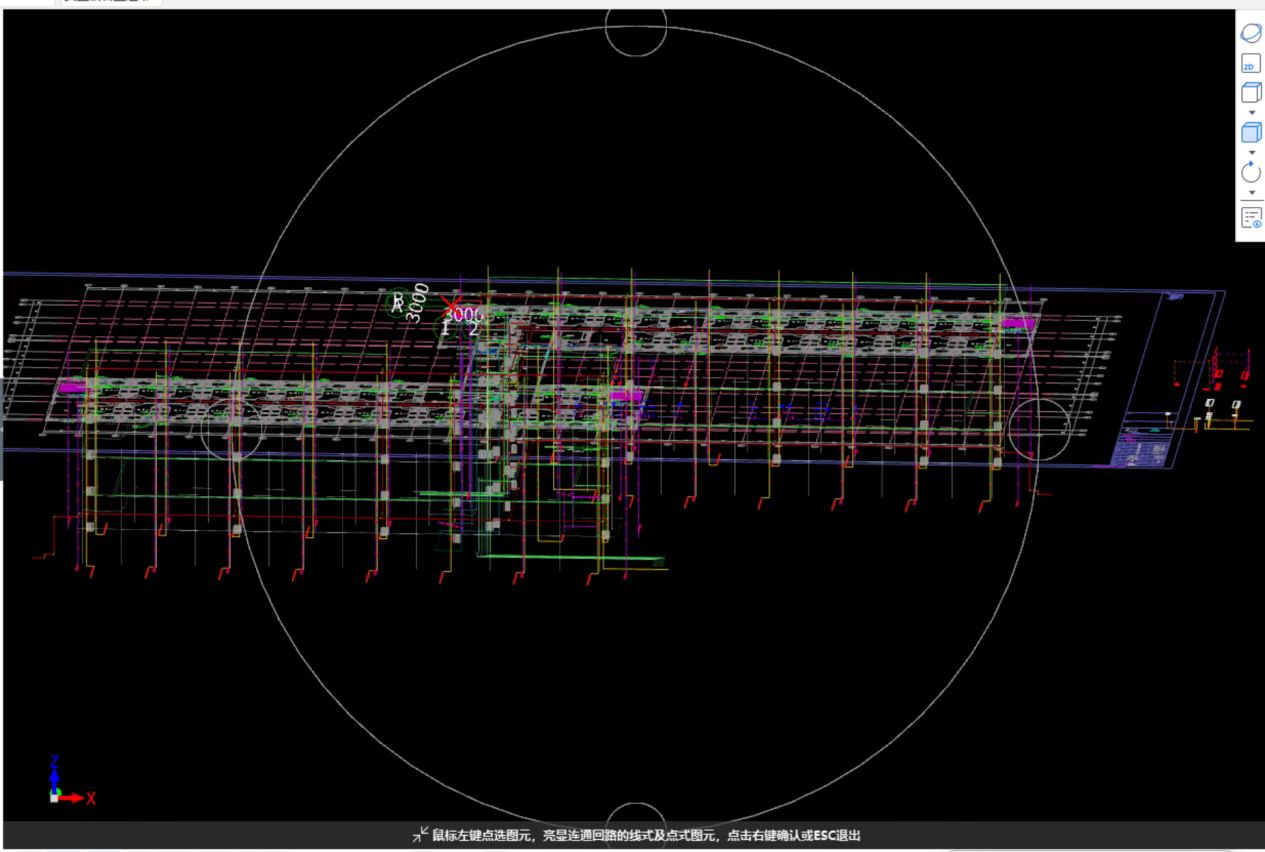
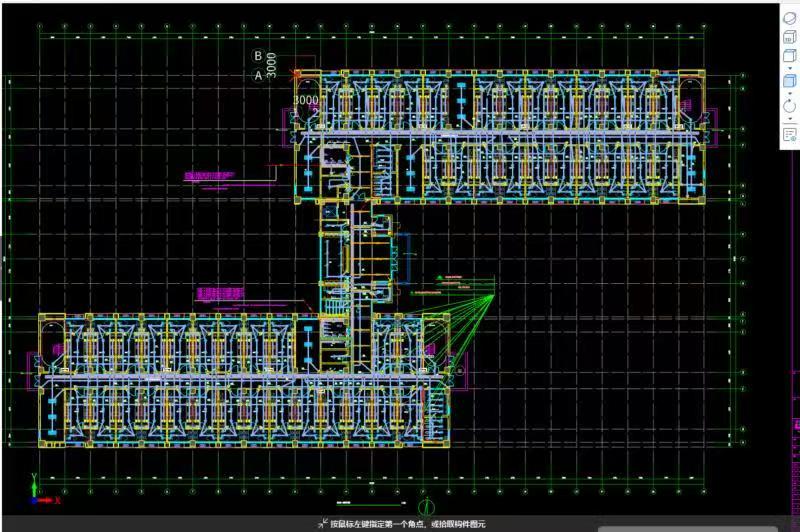
The transformation throughteam bonding was also a precious takeaway from the competition.'In our first meeting, we spent two hours discussing topicswithout reaching a conclusion; in our final meeting, we prioritizedthree separate plans in just half an hour,' Liu Yuxin said,noting how the team's communication efficiency skyrocketed throughrepeated polishing. From being 'too timid to speak up' toarticulating points clearly and coordinating tasks effectively, themembers' communication skills grew almost imperceptibly. 'Once,when exchanging ideas with a team from another university, I wasactually able to clearly explain our modeling logic; if it had beenbefore, I definitely would have been so nervous that I'd haveforgotten my words,' Liu Yuxin added with a smile.
Guidedby Mentors, Lighting the Way
'Thepeople we should thank the most are those teachers who were stillreplying to our messages in the small hours of the morning,'the team members said in unison. Faculty advisors Sun Jing and BaiDongmei accompanied them from the initial topic selection to thefinal submission, while Professor Yang Jun’s 'criticalintervention' at a vital moment enabled them to break throughtheir technical bottlenecks.
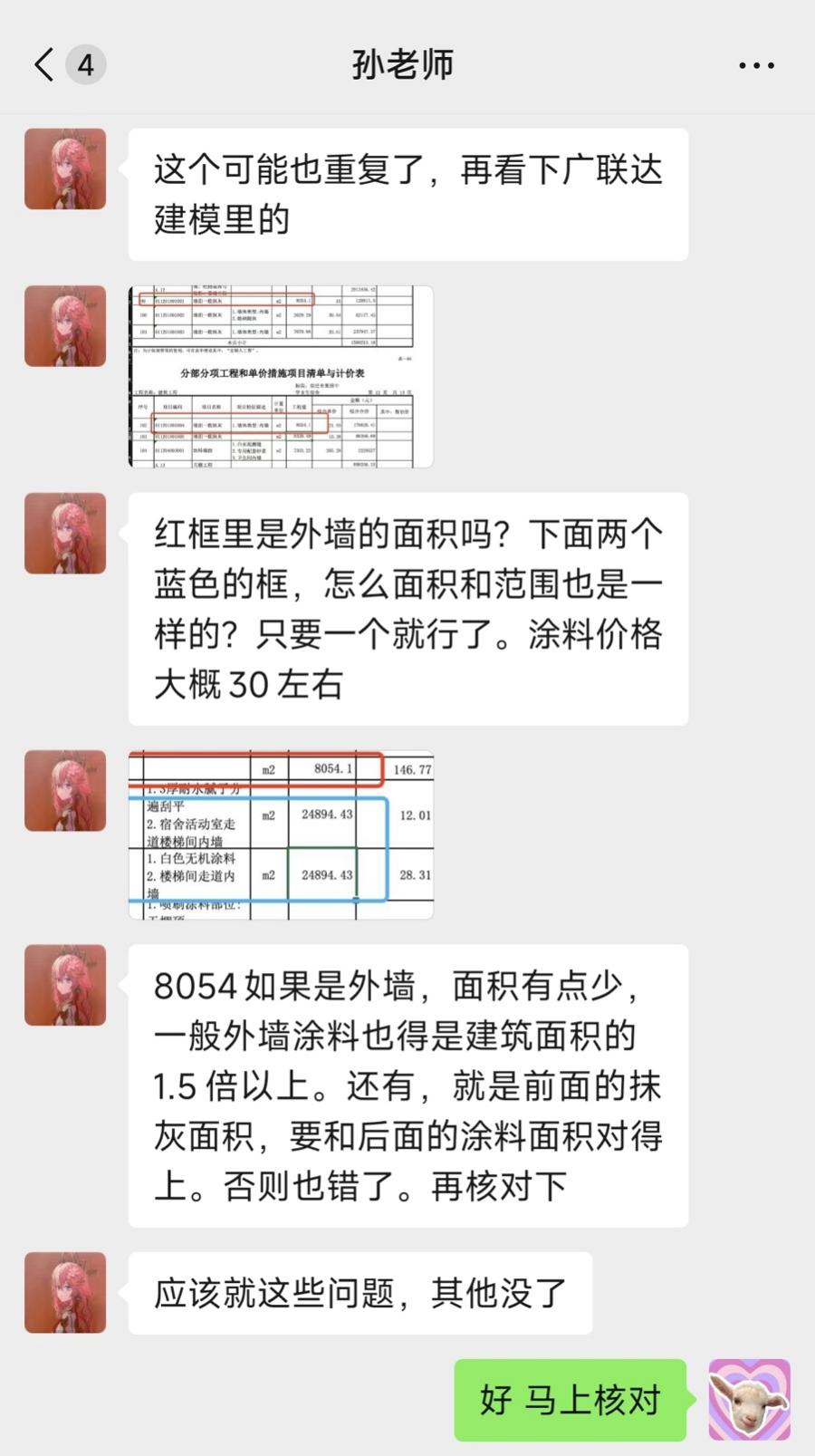
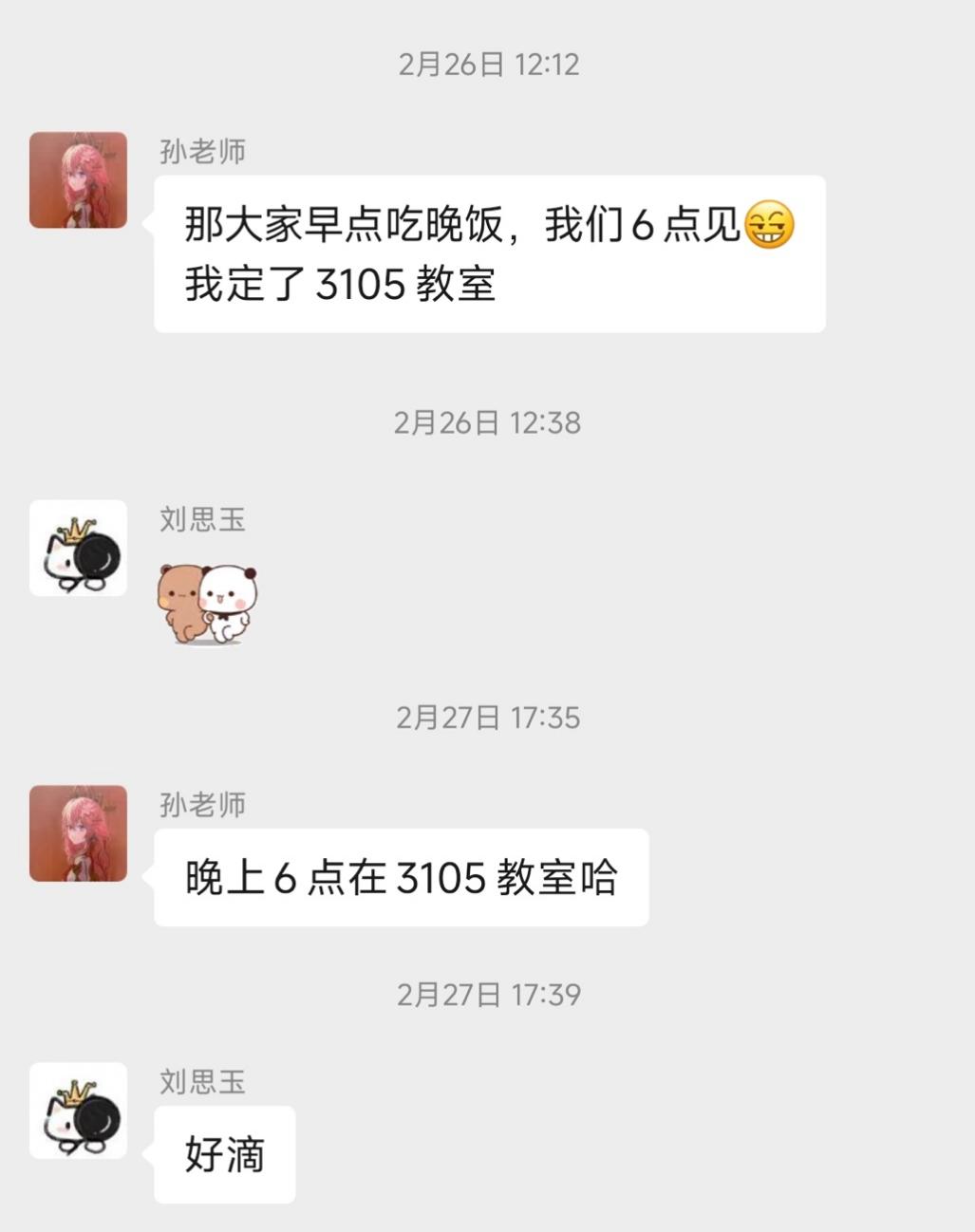
Ms.Sun Jing’s weekly group meetings on Thursdays were set in stone;even when she was away on business, she would provide remote guidancevia Tencent Meeting. 'Once, she was out of town for training,but as soon as she saw the model screenshots we sent, she immediatelyfound a quiet corner for an hour-long video conference; you couldeven hear other teachers discussing in the background,' teamleader Li Tong recalled.
Ms.Bai Dongmei is a 'detail-oriented' mentor who cross-checkedevery single figure in their estimation work. 'One time, shenoticed we had underestimated the contingency sum by 3%,' LiTong noted. 'She took the time to look up the latest policydocuments and advised us to always leave room in market-orientedbidding. That level of rigor is truly admirable.'
Beyond their direct advisors, theteam also highlighted the support of their subject teachers. 'Ms.Yang Jun not only taught us the software operations, but alsodiscussed industry trends, telling us that intelligent constructionis the future direction. This strengthened our resolve to masterBIM,' said Cai Jiayi.
Reflectingon the Path, Looking toward the Future
Speakingof the future, Li Tong’s eyes sparkled. 'The constructionindustry will inevitably become increasingly intelligent; the factthat our university is launching an Intelligent Construction majornext year is proof of this trend.' They have keenly captured thesignals of industry transformation - fromcarbon cycles to new energy, from robotic construction to projectmanagement via smartphones, technology is reshaping the very form ofarchitecture.

'Thiscompetition has taught us that learning isn't just about passingexams, but about mastering the ability to solve problems,' LiTong said. No matter what challenges they face in the future, theexperience of pulling all-nighters and tackling technical hurdlestogether will remain a source of courage.
Asthose who have 'been there', they offered practical advice:topic selection should be both innovative and stable.'We initially chose an apartment building, but our teachers saidit lacked distinctiveness, so we switched to a comprehensive buildingwith a frame structure.' Li Tong suggests balancing 'innovation'and 'feasibility', noting that students should selectprojects that involve new technologies but remain moderate indifficulty. 'If it's too difficult, you'll be discouraged; ifit's too simple, you won't have any highlights.'
Regardingteam formation, cross-disciplinary collaboration is nothing to fear;the key is to build chemistry in advance. 'Oursuccess is largely due to the rapport we established during ourprevious competition,' said Liu Yuxin, advising new teams tostart with smaller projects, such as collaboratively modeling aschool building, to test the smoothness of their communication.
Prioritizeefficiency by learning through doing.'Don't wait until you've finished all the tutorials beforestarting; pick a simple blueprint and get to work.' Theyrecommended platforms like Glodon Xinxian (New Line) and beginnertutorials on Bilibili, adding, 'Searching for solutions tospecific problems helps you remember them much better.' Theyalso issued a special warning to check software version compatibilitywith competition requirements, saying, 'We hope everyone canavoid the pitfalls we encountered.'
Mentally, you must acceptimperfection and adjust in time.'Falling behind schedule or encountering modeling errors isperfectly normal; the most important thing is not to quit.' Themembers admitted that there were several times they felt 'it wasdefinitely over', but by adjusting their strategy, they ended upfinding even better solutions. 'Competition is not just a testof technical skill; it is a test of mindset.'
InspiringThrough Action, Leaving a Legacy
'Whatrole did you play while the students were preparing for thecompetition?' Regardingthis question, Ms. Sun Jing clearly defined the function of thefaculty advisory team: 'Weacted primarily as mentors and guides'.She emphasized that the essence of a BIM competition lies in thestudents' continuous, autonomous practice and hands-on operation.'Building a project from scratch requires them to be personallyinvolved in every step. What we can do is provide directionalguidance at critical junctions and review the correctness andrationale of their completed work, ensuring they stay on the righttrack.'
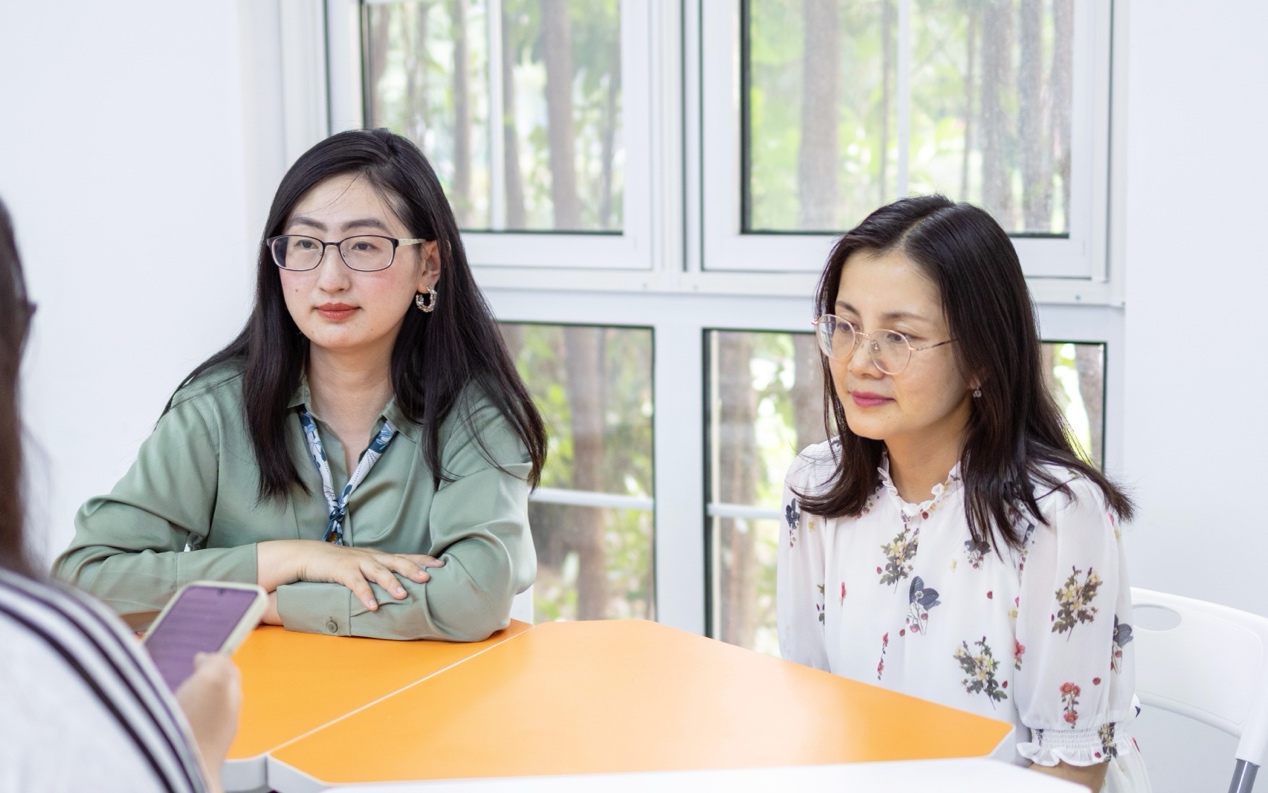
Ms.Sun Jing and Ms. Bai Dongmei Receiving the Interview
Regardingthis hard-won first prize, both teachers admitted it was an'unexpected delight'. Ms. Sun Jing recalled: 'Inthe past, we've mostly taken home second or third prizes. Winning thefirst prize this time was truly beyond our expectations,and perhaps there was a bit of luck involved; after all, you cannever be certain about the judges' scoring standards. But the momentwe learned the results, the joy and satisfaction were absolutelyreal!' This delight was the highest recognition of the jointefforts of both mentors and students.
Whenfaced with the choice between 'hands-on coaching' and'letting students learn by trial and error', both teachershold a consistent philosophy: nurturingcompetence relies primarily on guidance.Ms. Sun Jing detailed their approach: 'Software operation is thefoundation, so students must do it themselves. We set up a dedicatedcommunication group where students could contact Ms. Bai Dongmei orme at any time for online consultations.' However,since online exchange has its limitations, teachers and studentsmaintained a commitment to meeting in person once a week.Students would summarize the problems encountered throughout the weekregarding modeling, bills of quantities, and estimation; the teacherswould then review their work on-site, analyze the core issues, andprovide precise guidance. She specifically noted that basic modelingis often the greatest technical bottleneck students face.
Ms.Bai Dongmei added: 'The core of the team consisted of juniorstudents, many of whom hadn't even taken the relevant professionalcourses yet. Preparing for the competition was, to a great extent, ahardcore challenge of self-directed learning. They had to search forresources and watch tutorials on their own, bit by bit conqueringunfamiliar software and complex engineering knowledge.'
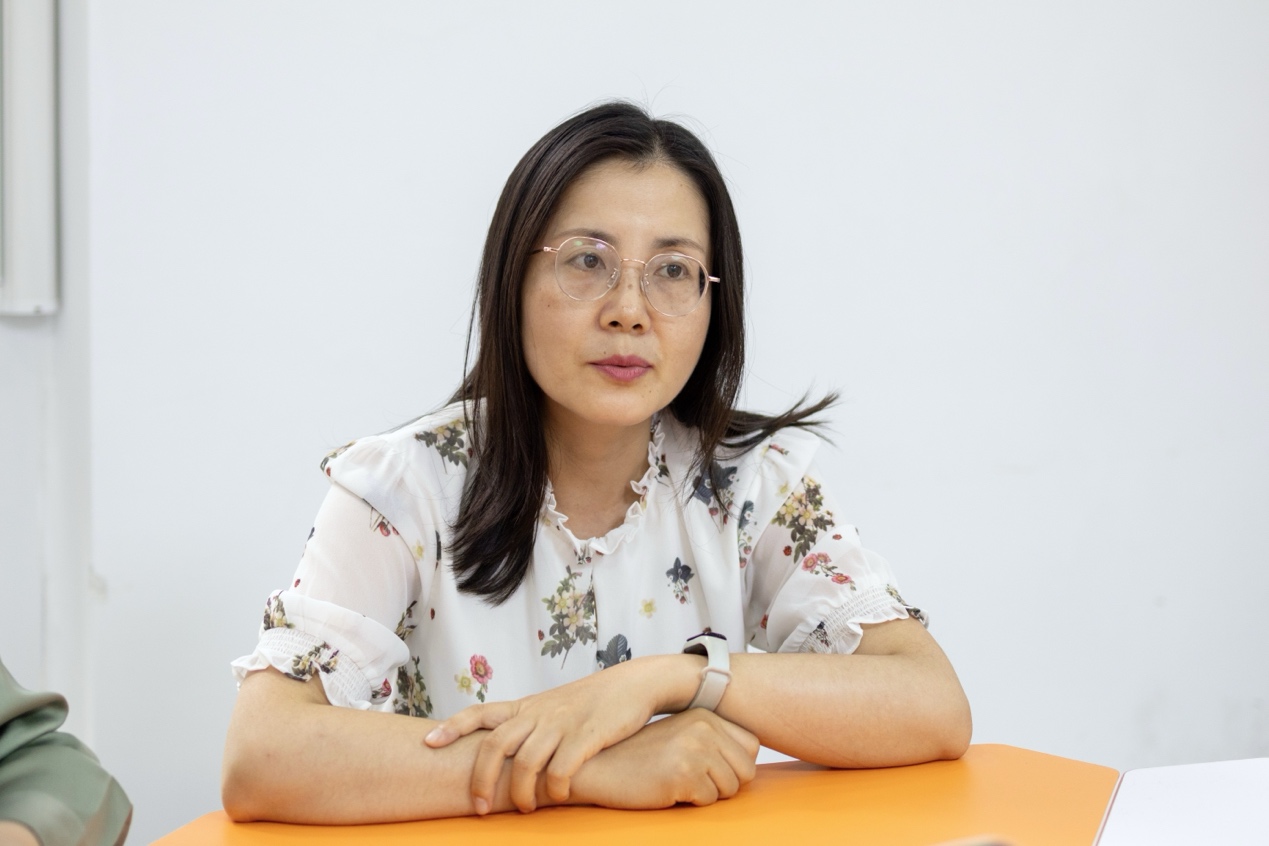
Reflectingon the essential difference between competition and classroominstruction, Ms. Bai Dongmei hit the nail on the head: 'Classroomteaching is primarily about knowledge dissemination, whereascompetition preparation relies heavily on the students' spirit ofindependent exploration'.She believes that this high-intensity practical drill is an excellentcrucible for cultivating the 'capabilities beyond the textbook'in students.
Lookingahead to the talent required by the industry, Ms. Bai Dongmei offeredprofound insights based on the development trends of AI: 'Whethera technical generalist or a specialized expert, in the context ofrapid AI advancement, the most basic and easily replaceablerepetitive tasks will significantly diminish.' She emphasizedthat while AI can assist in generation, its output may contain errorsor inaccuracies, requiring individuals with a certain professionaldepth and foundation to discern, judge, and master these tools. 'Thisimplies that theindustry will increasingly demand talent with deep professionalunderstanding, high-level reasoning, critical thinking, and insight,rather than individuals who can only execute basic operations.'
Regardinghow non-engineering students can engage in industry digitalization,her perspective is highly thought-provoking: the key lies inunderstanding the essential logic and application scenarios ofdigitalization, cultivating data-driven thinking andcross-disciplinary capabilities, and identifying the specific valueproposition where their own disciplines intersect with digitaltechnology.
Whenasked, 'At what moment did you feel all the hard work was worthit?', Ms. Sun Jing’s answer was filled with empathy:'Throughout the preparation, as mentors, we were actually quiteanxious. The scoring criteria for each stage of the competition wereincredibly granular, while the workload was overwhelmingly complex.It wasn't until the morning of the deadline that the students werestill making their final sprint. Only at the moment of submission dideveryone truly breathe a sigh of relief. The days waiting for theresults were even more agonizing, as I couldn't help but keepreflecting on the details. Therefore, the instant we finallyconfirmed the award, it brought the greatest sense of relief andgratification!'
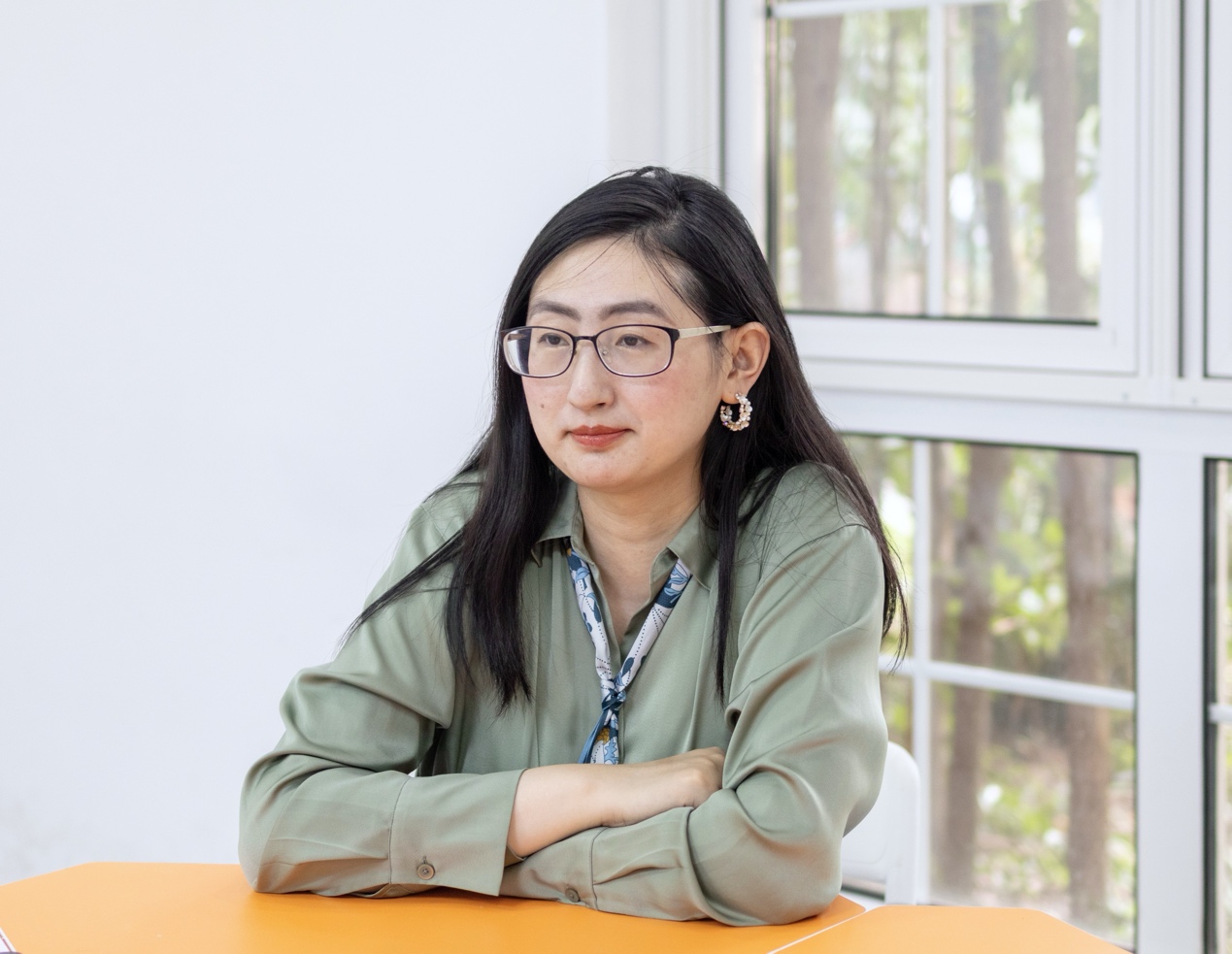
Comparingthe students before and after the competition, Ms. Sun Jing wasdelighted to see significant growth: 'Thegreatest growth lies in their capacity for self-directed learning andtheir confidence in solving complex engineering problems.'She re-emphasized the challenges they faced: many core courses hadnot yet been taken, so relevant knowledge and skills were almostentirely mastered through intensive cramming during the preparation.'This ability'forced' out by real-world project challenges is difficult toreplicate in the classroom, and it is certainly not something that AItools can easily replace.'
Theguidance process was not a one-way transfer of knowledge. Ms. SunJing shared a case of 'reverse inspiration' that left adeep impression: 'When preparing for the highly specializedsection on Engineering Change Verification, we initially planned toprovide direction based on our experience. However, several studentstook the initiative first - they consulted DeepSeek and obtained someinsights regarding visa types that 'occur frequently on constructionsites and are easy to verify for price adjustments'. This approachwas an eye-opener for me! Although their initial calculations wereincorrect, the attemptto actively explore and propose new directions using new tools wasinherently valuable. It also confirmed that one should not blindlytrust AI-generated outcomes. Werefined and optimized their ideas, ultimately forming a morereasonable plan. This is a new method the students taught us!'
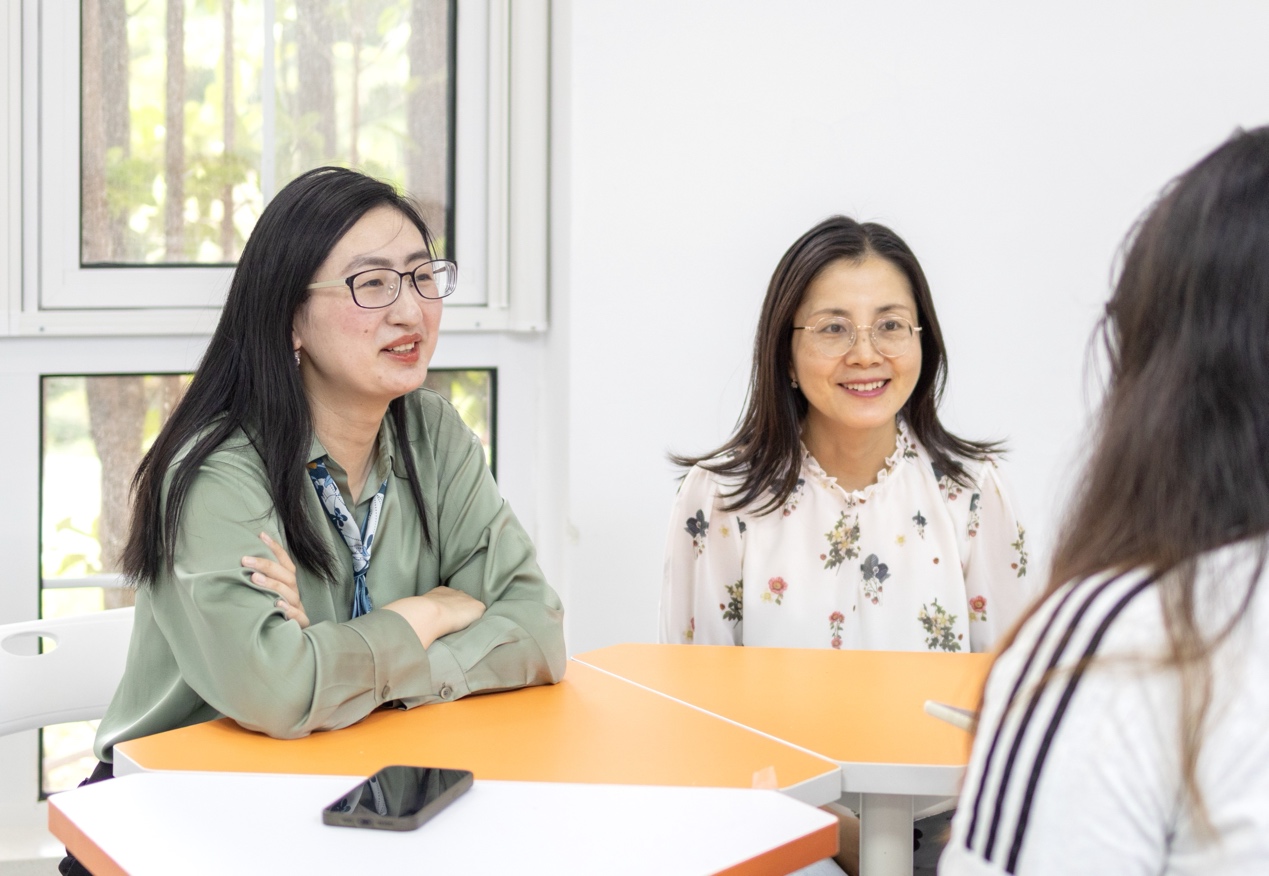
Regardingthe practical value of the competition for future academic pursuitsand employment, Ms. Bai Dongmei emphasized the enhancement of corecompetencies: 'While a certificate is certainly a highlight on aresume, the fundamental value lies in the Capacity for Self-directedLearning and Systematic Thinking honed during the preparationprocess.' She believes that acquiringsuch capabilities provides a solid underlying foundation forstudents, whether they choose to pursue deep research in graduateschool or enter the workplace to tackle professional challenges; itsimpact is far more profound than any single certificate.
Asingle award may freeze this moment of glory,
Butthe experience of fighting side by side
Hasbecome a far more precious treasure for the team.
Fromtechnical breakthroughs to intellectual evolution,
Fromthe unity of mentors and students to cross-disciplinary synergy,
Theyhave not only interpreted the essence of 'promoting learningthrough competition',
Butalso glimpsed the future of the industry's intelligenttransformation.
Thecurtain falling on the competition is no end;
Rather,it is the starting point for these students to knock on theindustry's door with practical mastery.
Maythe wisdom sparked through this collaboration
Becomethe enduring strength for SJUers to excel in their future journey.
Images| Provided by interviewees, Zhuang Jiayi
Text | Qin Xiankang,Zhang Yumeng
Editor | Qin Xiankang
Reviewers| Sun Jing, Bai Dongmei, Wu Jiang, Wu Jiang, Li Tong, Yu Xinyue, CaiJiayi, Liu Siyu, Qin Xiankang, Zhu Kexin, Gong Jingmin
Reprintedfrom: Sanjiang University Official WeChat Account
Link:https://mp.weixin.qq.com/s/w0wal8vHaMQ0cR5gPMFIXA?mpshare=1&scene=1&srcid=0821LiHt4xBNwjUP9b1x95BC&sharer_shareinfo=3e1de4ae8f1b39007926e6eb22cbfedf&sharer_shareinfo_first=55e97c07efefe6f0e12eaec78764e5e3&from=industrynews&color_scheme=light#rd